The confirmation email came through at 9:07 on Thursday night, with a reference number and a line that said "Your application has been received". I read it on my phone at the kitchen table, then on the laptop, then printed it and taped it inside the cupboard door, next to the bills sheet. Rob said that if it got any more official I'd need to frame it.
That is the secondary school application done, a little over two weeks before the closing date of 31 October. I'd have liked to say that we calmly sat down and filled it in, but it took three weekends, two arguments and a notebook.
The form itself
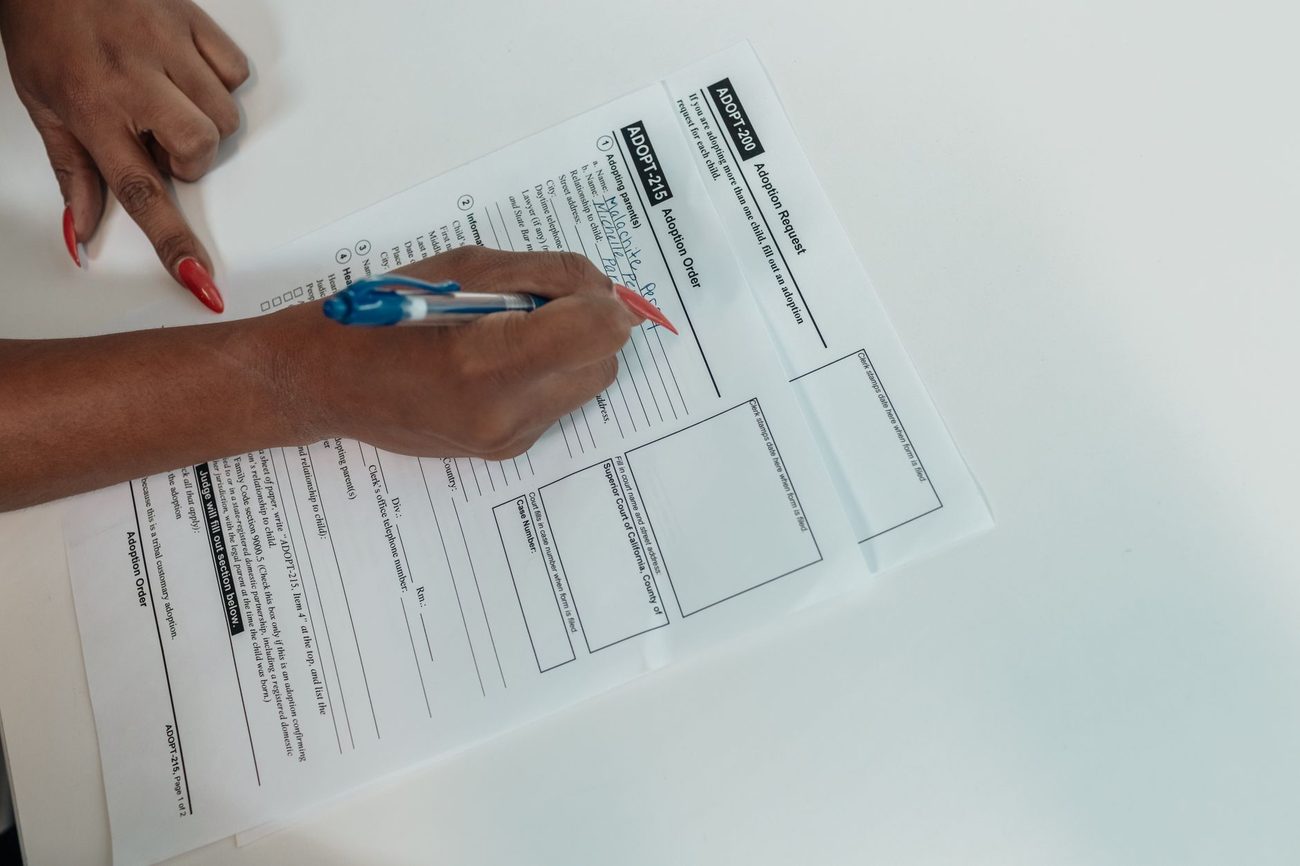
The form is on the council's website and is, to be fair, easy. You put in your address, your child's details and your schools in order. Mine took eleven minutes once the decision had been made. I put in three, which are the three we had visited, and I filled in the extra form for the faith school separately. We aren't regular churchgoers, so I answered the questions honestly and I'm under no illusion about what that means for the odds.
My building society brain kept wanting to put the safe one first. That's how a mortgage works: you go for the one you know you'll get. But as I understand the council's booklet, it doesn't work like that. The order is for us, they look at every school equally, and then we are offered the highest one on our list that we qualify for. So the guidance is to list them in the order you honestly prefer, with no clever tactics. I'd read your own council's booklet before taking my word for it, because every council words it a bit differently.
How we ranked them
First, the big academy across the ring road. Second, the one up the road. Third, the faith school two buses away.
That was not where the kitchen table started. Isla wanted the academy first from the day of the open evening, and she had a case, which she delivered at the table on Sunday 11 October with the notebook open and her finger on the page. Drama studio, netball courts, and the Year 7s she'd spoken to, who were "actually normal". Rob wanted the one up the road first, because it's fifteen minutes' walk, her friend Nell is going, and he's a postie, which means he thinks about distance for a living. I wavered. I'm not proud of it, but I changed my mind three times in one evening.
What settled it was Rob, in the end. He said that if the order only matters for the schools we'd get either way, then the question was simply which one we'd be happiest to be offered. He looked at the notebook for a while, said, "Hers, then," and put the kettle on, which is what he does when he's lost an argument in a way he doesn't mind.
The side arguments
The ring road was one. Twenty-eight minutes' walk at Isla's speed, with a crossing at the lights, is a long way for an eleven-year-old in January, and Rob said he would rather she got the bus. I said I would rather not worry about the bus. We left it there.
The phone was the other. Isla pointed out that the academy lets pupils carry them but not use them in lessons (we asked at the open evening), which she said would make it easier to have one. I said it would make it easier to lose one. She said, "Only if I'm careless," and I said that was my point. We left that there too. It sits on page one of her notebook, with a star next to it.
What happens now
Nothing, for a while. Offers come out in March, and until then there is nothing to do but not think about it. I've written the date on the whiteboard in a colour that means "not yet". There's the £35 a month for the residential, which left the account on the first of the month, and the Year 6 leavers' things to come, and the regular business of Isla growing out of her shoes. The application is in, and I feel lighter by about a stone.
At half past nine Isla came downstairs for a glass of water. "Is it sent?" she said. "It's sent." She drank the water, considered the kitchen for a moment and said, "So can I have a phone now?" I said no. She went back upstairs, quite cheerfully, like someone who had expected nothing else.