Alfie's white polo shirt has a faint orange shadow on the chest in the shape of a Sunday ragu. It has been through the machine four times since, and it will go on being slightly orange until it is outgrown or replaced, whichever comes first. I know exactly which Sunday it was.
I kept a tally on the back of the washing machine's instruction leaflet for a school year, because the alternative was losing count of how many times I'd said "how did you do that?" to a six-year-old. From September to the second week of March: 41 stains on school uniform, 35 that came out and 6 that didn't. Isla accounts for 9 of the 41. I asked for an explanation of the other 32 and was told, "Alfie's just like that." Here is what I've learned.
What came out
Grass and mud, 14 out of 14. Alfie plays football at playtime in his school trousers, and the knees come home with a green stripe each. I let mud dry and brush it off before it ever goes near water. Then it's an overnight soak in a washing-up bowl with a scoop of the big box of bio powder, a scrub with an old toothbrush, and a Cotton 40 wash. The grass has never beaten me. It only asks for a bit of patience and a bowl.
Felt tip, 5 out of 6. The washable pens come out in an ordinary wash. The sixth was a permanent marker, with which Alfie wrote his name on his PE bag and then, in case of doubt, on his sleeve. A dab of Rob's work hand gel took off most of it from the back of the fabric, with a cloth underneath, but a grey ghost of the name remains, so it's down as a loss.
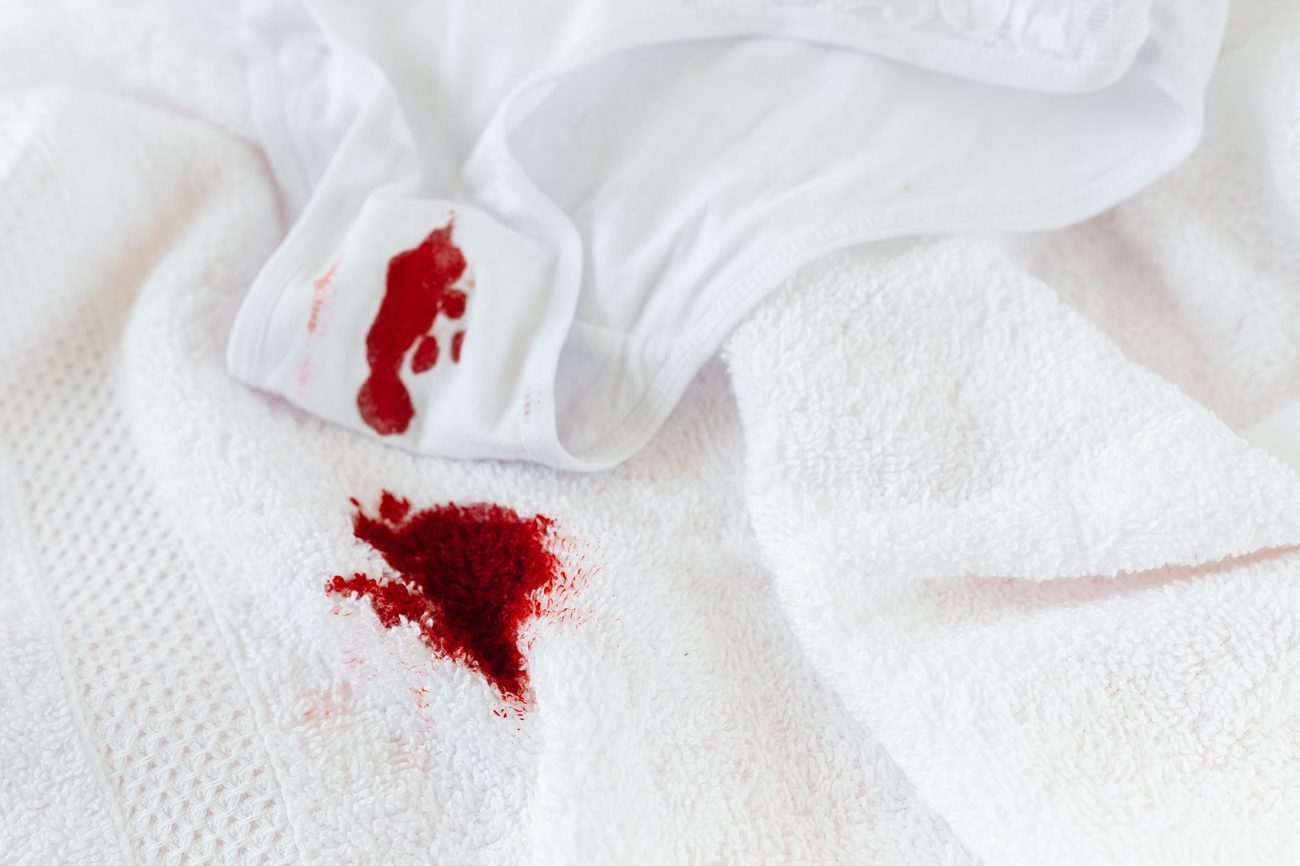
Glue and paint, 5 out of 5. PVA glue dries and peels off, and poster paint rinses out under a cold tap if I get to it before bedtime. Blood, 2 out of 2: cold water first, then soap. Gravy, 3 out of 3, all of them from Alfie's free school dinners. Biro, 3 out of 4.
What didn't
The Bolognese. I wish I could report otherwise. Tomato sauce on a white polo shirt is a stain that stays. It goes pale pink after the first wash, orange after the second, and then settles into a ghost you only notice in daylight. Of the 7 tomato stains, 3 came out. The 4 that didn't are mostly on Alfie. With the permanent marker and one biro line inside Isla's cardigan pocket that I've decided I'd rather not know about, that makes the six.
The advantage of having no tumble dryer is that the stain shows itself again before it has been through any heat. A stain that comes out of the machine as a ghost gets one more go on the line or the airer, in proper light, before I judge it. The heated airer is warm, though, and I do suspect it sets a few stains that cool air wouldn't. I can't prove it. It's a theory I hold with a pencil.
What lives by the machine
- A bar of laundry soap for rubbing in, and an old toothbrush
- A washing-up bowl, kept for soaking and nothing else
- The big box of bio powder for mud and grass; the non-bio liquid for everything else
- A spare polo shirt in each size, which is the real answer to most things
I don't put a stain through a hot wash first, because I've seen heat set some of them. I do the cold rinse and the soap, then the wash. That's what we do in this house, and I'd read your own labels rather than copy me.
A pack of two polo shirts from the supermarket is £4, so a stain that won't shift is a £2 problem. That is worth remembering when I'm standing at the sink at twenty to ten on a Sunday night with a toothbrush and a Bolognese-coloured thumb. If a polo shirt is going to stay orange, the orange can have it. Alfie wears it under his sweatshirt and nobody sees. He once told me it looked like the sunset in his dinosaur book, which I've decided to take as a compliment to the book.