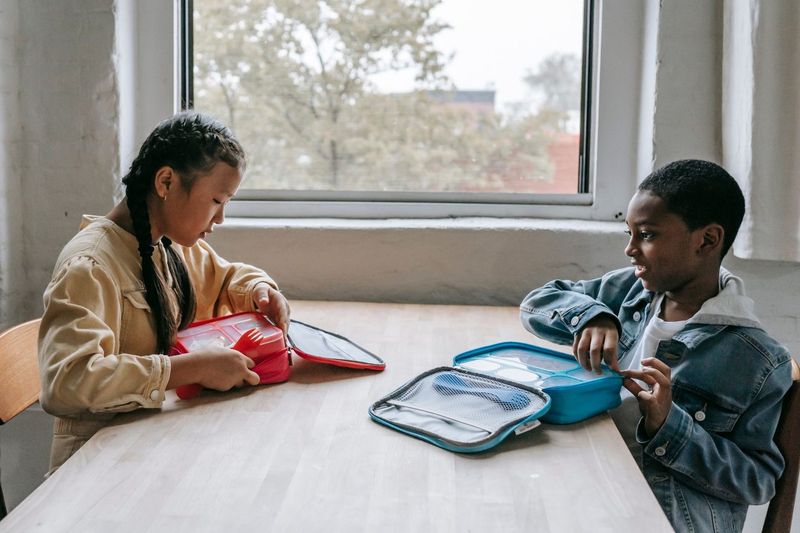
'It was twenty-six in our classroom at dinner time,' Isla told me on Wednesday, with the satisfaction of a girl who has watched a thermometer do something dramatic. Her teacher had put one on the windowsill so the class could see what a warm June does to a Year 5 room. The forecast for the week said 24 degrees outside. I looked at the lunchbox on the kitchen counter, which was going to sit on a peg or in a crate in a corridor for three hours before anyone opened it, and thought about egg mayonnaise.
What I measured
I'm not a food scientist, and I don't want to sound like one. This is just what I did in my own kitchen on Sunday. I put a lunchbox on the windowsill in full sun at half past eight with a cheap thermometer in the middle of it, and read it at noon. With no ice pack, the cheese portion was sitting at 19°C. With one ice pack it was 11°C. With two ice packs and a frozen water bottle it was 6°C. A classroom crate is probably cooler than my windowsill, so I've treated those numbers as generous.
The school's lunch leaflet says anything that needs to stay cold should go in an insulated bag with an ice pack. I read that as ice pack, not hope. It says nothing about thermometers, and I'd read your own school's guidance rather than take my kitchen experiment for a rule.
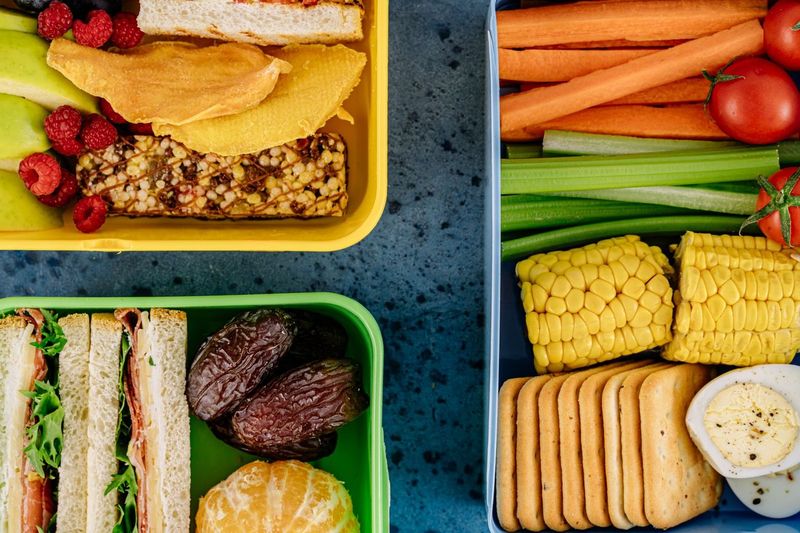
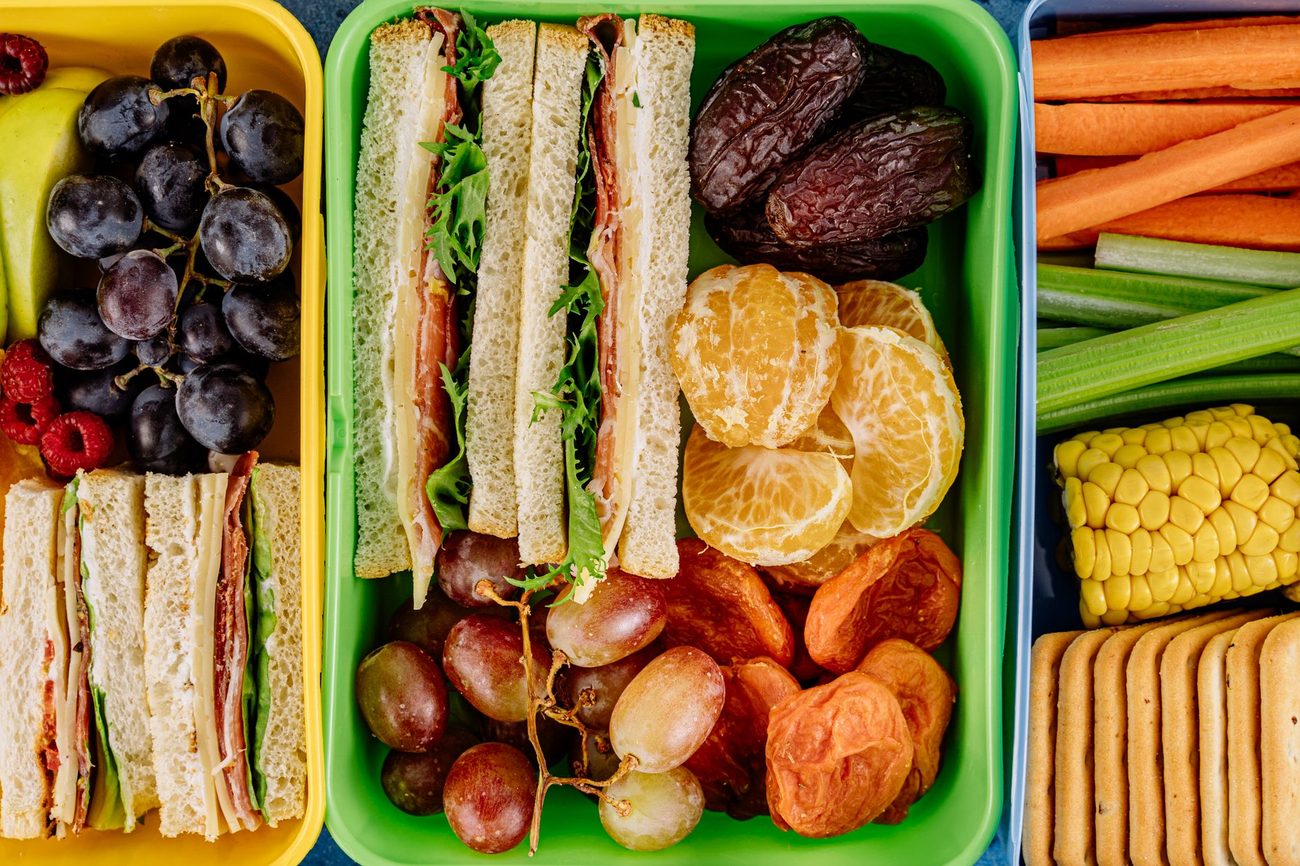
What goes in Isla's lunchbox now
- A water bottle two-thirds filled and frozen on its side overnight, topped up with cold water in the morning, which works as an ice pack and is still cold to drink at noon
- Two slim ice packs, one under the bento box and one on top
- A yoghurt tube from the freezer, which thaws by dinner time into something cold and slightly slushy
- Pasta salad in a lemon and olive oil dressing, with no mayonnaise, made the night before and chilled
- Grapes straight from the freezer, which help keep everything else cool and are a treat as well
- Sandwiches made the evening before and kept in the fridge overnight
The food flask has turned out to work in the other direction. I fill it with ice and cold water for ten minutes, empty it, and pack cold pasta salad in it. At noon, on the one day I tested it with the thermometer, the pasta was at 8°C. That's a better result than I'd have bet on for a flask I bought to keep soup hot, and Isla has stopped looking at it with suspicion.
What I've stopped sending
No egg mayonnaise, which was fine in March and is a different animal in June. No cooked chicken in a wrap unless it started the day frozen solid, in which case it's a wrap with a built-in ice pack. Chocolate flapjack came home as a puddle in a bag, so now it's a plain oat one. Yoghurt pots have stayed at home since I thought about a pot that had been warm since nine o'clock and didn't fancy opening it at noon myself. Bananas have been retired, for reasons of brown mush, and Isla has taken it well.
The thing I got wrong is the blame. On Monday her sandwich came home damp and flat, and I assumed the ice pack had been put in the wrong place and said so, at some length. It was the bag. Isla had dropped it from the top of the climbing frame at playtime, which she didn't mention until Wednesday. I now ask what happened to the bag before I explain what happened to the sandwich.
Alfie, who takes a packed lunch on Fridays only, gets a cheese sandwich, apple slices and a frozen yoghurt tube in the dinosaur bag, with one ice pack. The bag isn't insulated and at £6 was never going to be, so I've bought a slim insulated sleeve that slides inside it. He says it makes the bag 'less dinosaur', but he eats everything and the yoghurt is still cold, which is the part I can check. On the one Friday I forgot the ice pack, he came home with the cheese sandwich untouched and a long face, and I have not forgotten it since.
The sums: one extra ice pack at £3.99 and the sleeve at £2.49, with the freezer ice free. Isla's lunch has averaged £1.41 across the first fortnight of June, against her usual £1.39.