I scrubbed that corner above the bath with the kitchen sponge for three winters, and the sponge turned out to be part of the problem. Each time the black patch went a bit lighter, and each time, inside a fortnight, it was back and a bit bigger. It took me until this February to work out why, and then £27.50 and two weekends to stop it.
Why it kept coming back
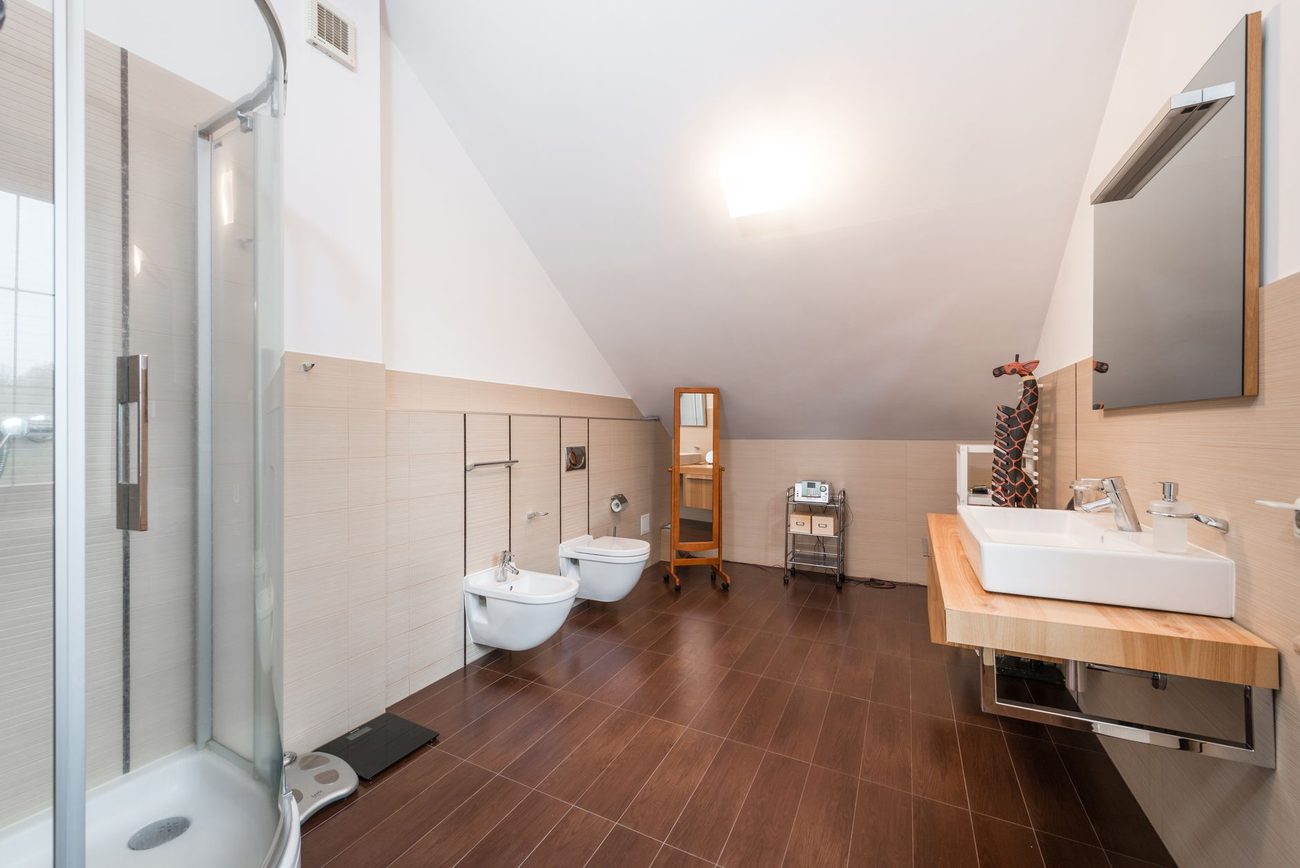
The patch sits where the bathroom ceiling meets the outside wall, directly above the bath, which is the coldest surface in the room. We have no extractor fan (it's on the list every house has, somewhere under "new carpet for the stairs"), the shower is over the bath, and there are four of us. Rob showers at 5:15 before work. I shower at night. Isla, who is eight, has hot showers that last nine minutes by her account, and twelve by mine.
All that steam goes up, finds the one cold corner, turns to water, and the mould gets exactly what it wants. Meanwhile I was wiping the patch with a damp kitchen sponge and then using the same sponge on the next patch. I'd read that scrubbing dry mould can spread it around, and I'm sure that wet-scrubbing it with a dirty sponge isn't much better. It's embarrassing to be good at paperwork and bad at cleaning a ceiling.
In December I tried the supermarket bleach wipes, which took the black away in a satisfying thirty seconds and gave me about eleven days of clean ceiling. That's the thing about cleaning the surface: the patch is the symptom, and the water is the cause. I knew that on paper. It took a third winter for it to sink in.
What we bought
There were three things, and the receipts are in the jar:
- Mould and mildew spray: £4.50
- Anti-mould bathroom paint, one litre of white: £18.00
- A window squeegee: £5.00
That's £27.50. The squeegee is the same one Rob suggested in January, when he saw me wiping the bedroom windows with a tea towel. Rob was right about the squeegee, and he has been told so, once.
What we did
On Sunday 9 February I put on Rob's marigolds, opened the bathroom window as wide as it goes, and sprayed the patch and the grout round the bath. I left it ten minutes, wiped it off with an old cloth, which I then threw away, and went back for a second go at the corner. The black went. A faint grey ghost stayed behind, which the paint was for.
The wall had to be properly dry first, so I carried the dehumidifier upstairs and left it in the bathroom with the door shut for the afternoon and overnight. It filled its tank twice, which is the first time I've felt sorry for a ceiling. On Saturday 15 February, while Rob was at work, I put two coats of the anti-mould paint on, four hours apart, standing on the kitchen step stool and reaching across the bath, and finished with white in my ponytail.
The habits changed more than the paint did. These are the new rules, and the kids have mostly picked them up:
The bathroom door stays shut while someone showers, so the steam doesn't go wandering into cold bedrooms. The window opens afterwards for twenty minutes, whatever the weather. The squeegee goes over the tiles and the side of the bath. And the towels dry on the airer downstairs, not on the bathroom rail, which was quietly releasing a lot of the water that went into them.
Three weeks on
As I write on 27 February, the corner is white. The paint has been through twelve days of showers and a damp week and it's holding. I'm not claiming a cure; one tin of paint doesn't change the fact that we have no extractor fan and four people with a lot of hot water. But March is the real test, because it's the damp, mild spell when the patch was always at its worst, and I can report that it hasn't come back yet.
A proper extractor fan would be the real fix. It's on the list with the stair carpet, and I've asked Rob whether he knows anyone with a drill and a spare Sunday.
I'll look again on 1 March with a torch, and if it's grey I'll say so. The sponge, for the record, has been retired to washing the car.