On Sunday night, with the uniforms hung on the landing and a pan of soup cooling on the hob, I typed the formula I'd been looking forward to since September: =SUM, under column F of the lunchbox spreadsheet. The number that came up was £239.73.
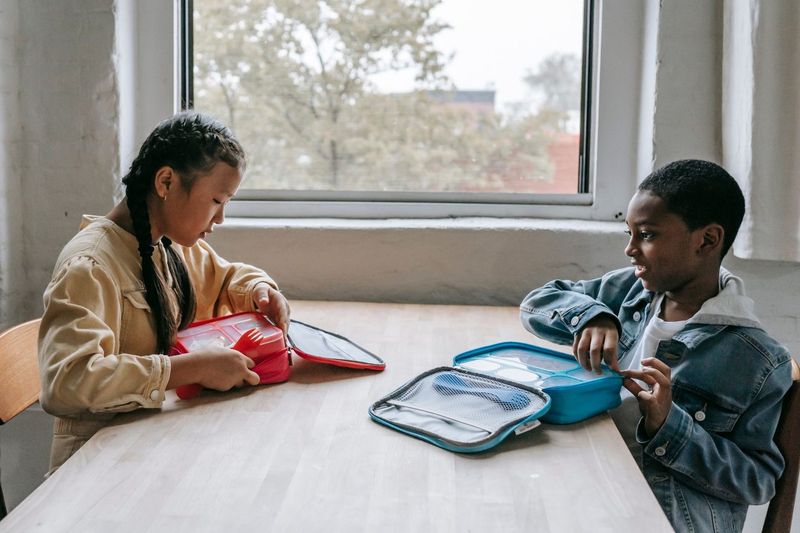
That's what Isla's packed lunches cost across the whole of 2025. I started the spreadsheet on Monday 6 January last year, the first day back after Christmas, and logged every item that went into her lunchbox from then on. She took a packed lunch on 183 school days. That works out at £1.31 a day. A school dinner in her key stage is £2.75, so the same 183 days at school prices would have been £503.25. The difference is £263.52.
Where the £239.73 went
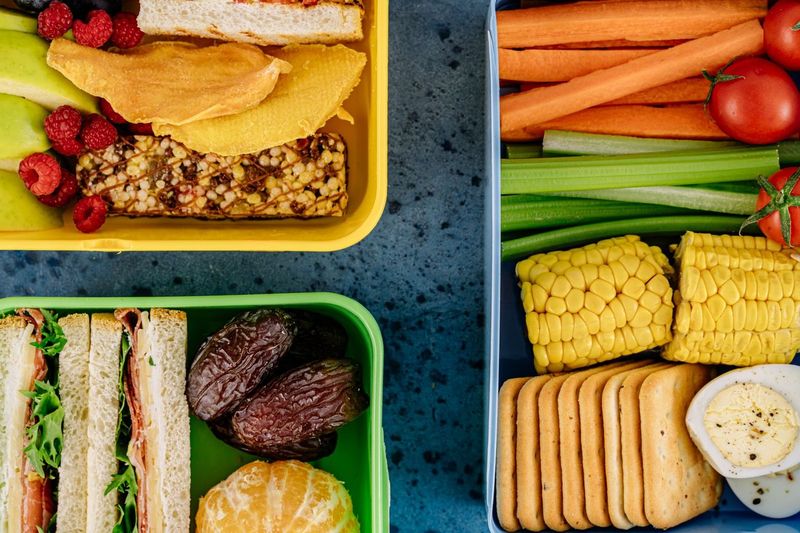
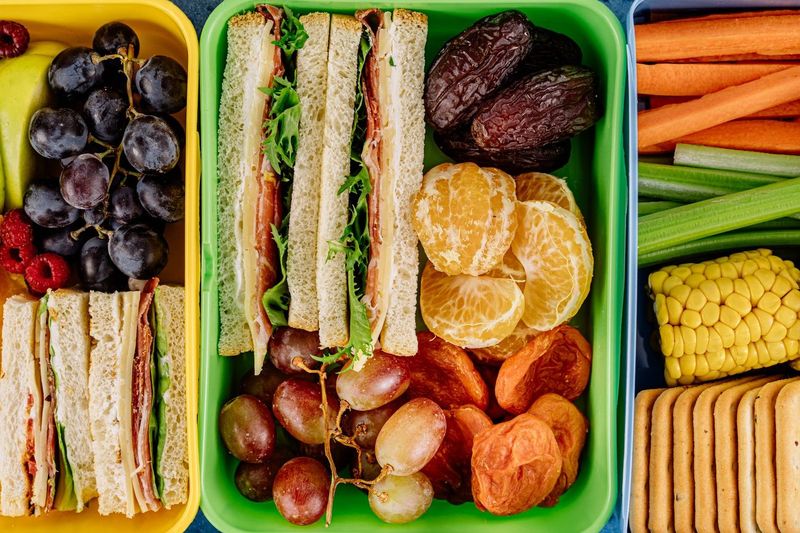
- Bread, wraps and pasta: £58.20
- Fillings (ham, tuna, egg, hummus, cheese slices): £49.10
- Fruit: £42.80
- Cheese portions, 183 of them at 20p: £36.60
- The flapjack-or-biscuit slot: £31.53
- Cucumber and carrot sticks: £21.50
Fruit was the surprise. I'd have guessed bread and fillings would be the bulk of it, and they were, but fruit came third, ahead of the cheese. The dearest week of the year was £8.71, in October, when Isla went through a phase of wanting grapes every day. The cheapest was £4.96, in March, with a pasta salad on Monday and leftovers for the rest of the week. A typical week was £6.55. Plain tap water isn't in there at all.
The flapjack slot is the one I watch. A homemade flapjack works out at about 18p, a shop biscuit nearer 25p, and the Friday treat is the dearest of the lot at around 30p. Across the year that slot averaged 17p a day, which feels about right for something that makes a lunchbox feel like a lunchbox.
The seven days that weren't packed lunches
The school year runs to about 190 days, so 183 packed lunches leaves seven. One was Christmas dinner day, which Isla rated "fine, but the cracker was the best bit". Two were trip days, when the school provides a packed lunch and I make nothing. Four were days she left her lunchbox on the hall shelf. The school office covered those with a dinner on account, and I paid it back on ParentPay at £2.75 each, so £11 for the four. I'm not counting those as failures. I'm counting them as £11 and a note on the back of the front door that now says "Lunchbox?" in Rob's handwriting.
What isn't in the number
The £239.73 is food only. The kit is separate: two bento boxes at £12.99 each (the second bought in August after a clip snapped) and Alfie's £6 dinosaur bag, which is £31.98 in all. The wax wraps never made the figures, and they are in a drawer, being sorry for themselves. Alfie's Friday packed lunches have their own tab. There have been 15 since September, at about £1.10 each, so £16.50.
It also leaves out the 13 weeks of the year when both children eat lunch at home in the holidays. That cost £318, and it sits on the grocery spreadsheet, not this one.
I should be honest about what £263.52 means. It's what we didn't spend, which isn't the same as money in the bank. Isla would choose a packed lunch anyway. She says school dinners are always cold and that nobody saves you a seat if you queue late. I'm not saying packed lunches are better, and I'm not about to tell anyone what to do with theirs. It's simply what happens in our house, with our child, at our school's price.
For 2026 I've started a new tab with the same columns. I've pencilled in £1.39 a day, 8p up on last year, because that's what the shop prices in December suggested. I'll find out on a Sunday night in January 2027, and Mabel will be on the keyboard.
The sums: 183 packed lunches at £239.73, or £1.31 a day, against £503.25 at £2.75 a day. About £263 saved over the year.