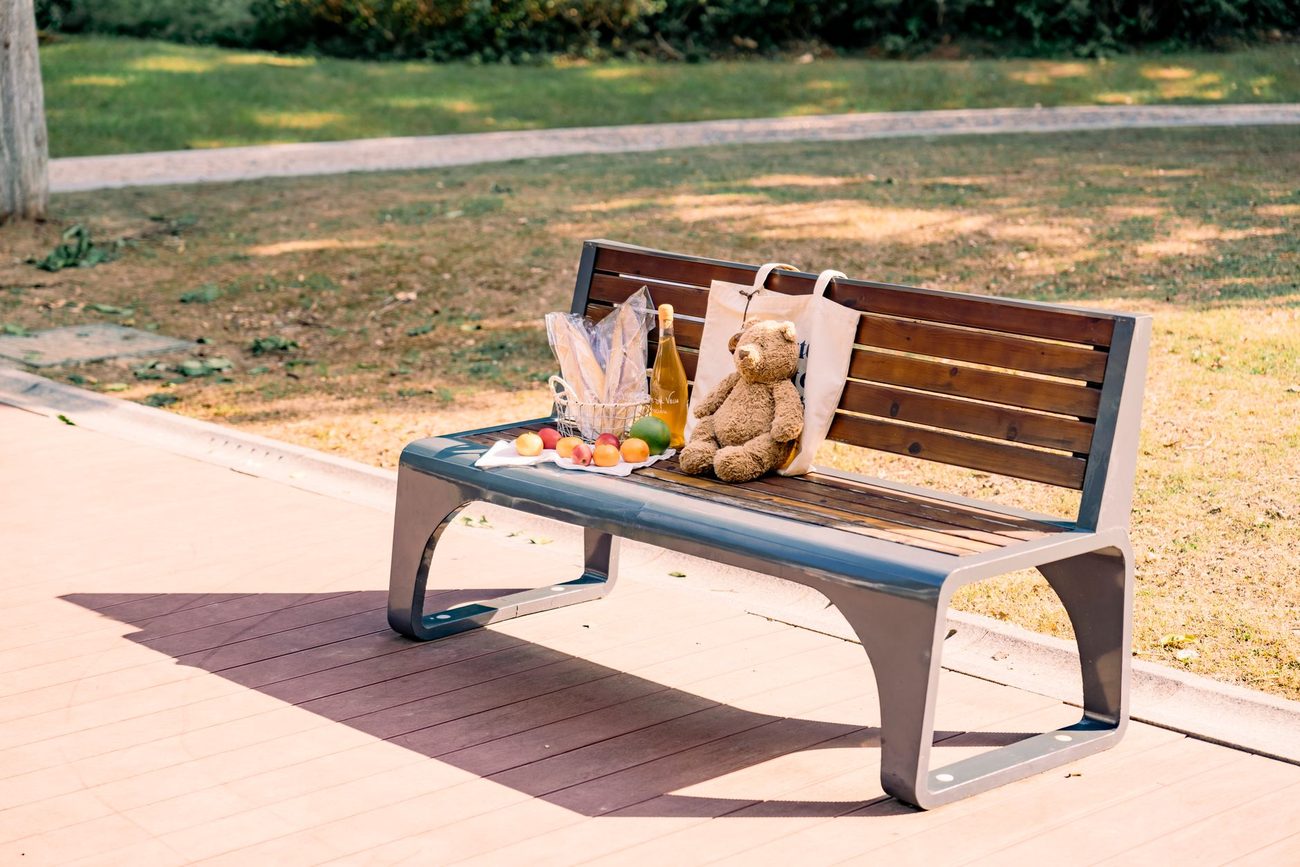
At twenty past eleven on the first Wednesday of the holidays, the cool bag was open on the kitchen floor with Alfie's head inside it. "It smells of last summer," he reported, which I took as a polite way of saying I hadn't washed it. We were due in Beckett Park at twelve to meet Priya, and I had forty minutes to turn an empty bag into lunch for four.
Six weeks off school means a lot of picnics. By my count we'll be on a rug in a park or a field about a dozen times, and I'd rather work out the system now than improvise it at 28 degrees.
What goes in the bag
The bag is a 24-litre insulated one from Aldi, £7.99 about two summers ago, with a zip that sticks and a wipe-clean lining. It sits on top of the wardrobe in the box room all winter. The rest of the kit is stuff that already lived in the kitchen.
- Two slim ice packs, which also do Isla's lunchbox in term time, and three 500ml water bottles, frozen two-thirds full the night before
- One big tub for sandwiches and a smaller tub for cheese, tomatoes and cucumber
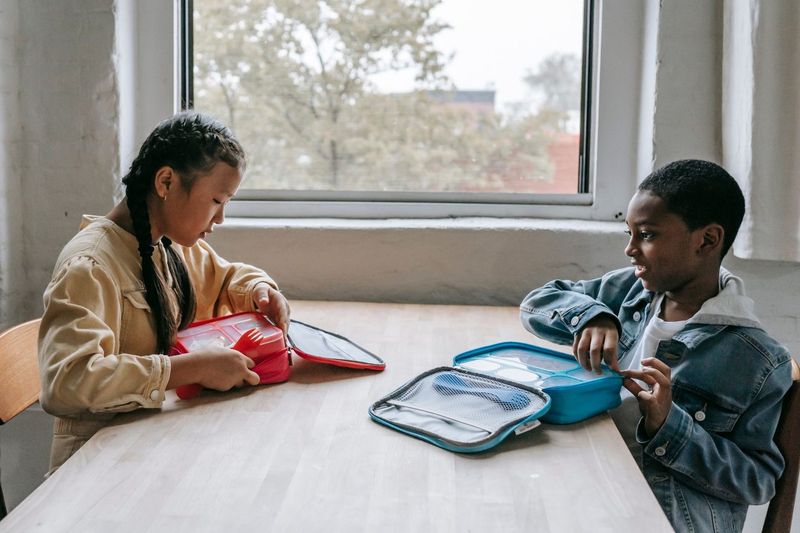
- Isla's lunchbox and Alfie's dinosaur bag, so each of them has their own pot of things they like
- A fleece-backed picnic blanket, £6 from a charity shop on Otley Road, bought in April, with a waterproof underside that has so far survived two damp patches of grass
- Kitchen roll, wet wipes and a carrier bag for rubbish
- My old flask for tea, because I'm not a monster
The wax wraps have not made the list. I gave up on them in spring. They stick to each other in the drawer, they smell faintly of candle, and a sandwich in a wax wrap in a hot bag is a damp sandwich.
Keeping it cold
The first day went wrong. I put a frozen bottle against the sandwich tub, and by the time we'd got to the park the bread had gone soft from the condensation and the cheese portions were sweating. Alfie ate three slices of cucumber and a handful of crisps and said it was fine, which was kind and not true. Priya's watermelon saved the day. She cut it up on the rug with a bread knife, and Zain and Alfie ate it with their faces.
Now the frozen bottles go in a carrier bag at the bottom, with the tubs on top and the ice packs on the very top, as cold air sinks. Everything is packed from the fridge, not the counter. The bag goes in the footwell of the car, not the boot, and in the shade when we get there.
My own rule is that anything with meat or soft cheese gets eaten within about two hours of leaving the fridge, and anything that comes home warm goes in the bin. I read the official guidance on this once and it was stricter than I expected, and I'd read it for yourself rather than trust my memory of it. The frozen bottles melt into cold water by lunchtime, which doubles as the drink.
What it costs
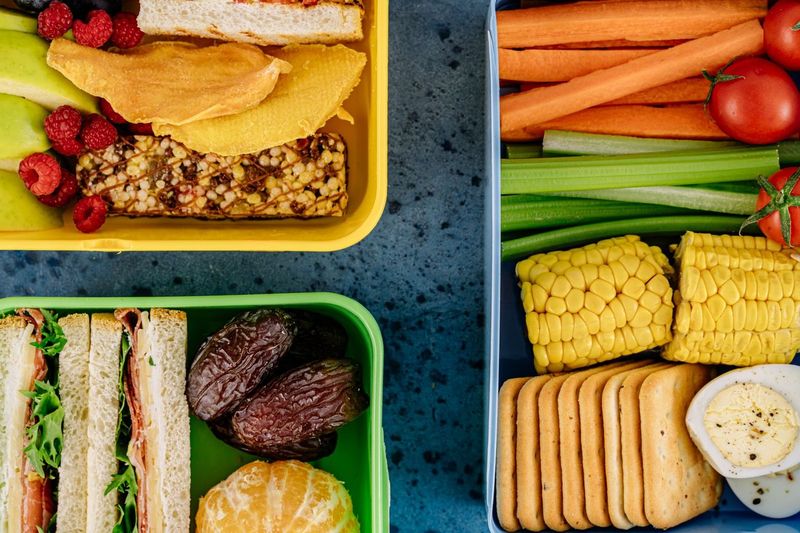
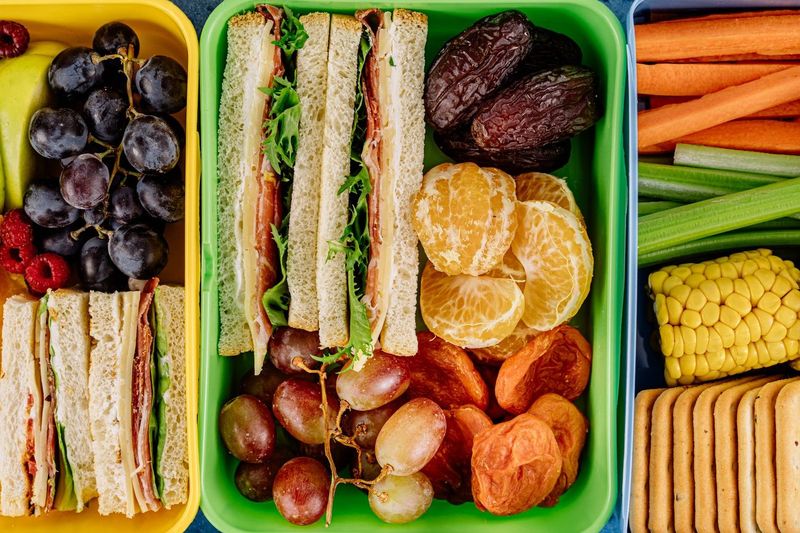
This is a typical day-out lunch for the four of us. Bread for the sandwiches, six slices, 55p. Ham and cheese to go in them, £1.10. Four cheese portions, 60p. Cucumber, carrot and cherry tomatoes, £1.00. Grapes and four apples, £1.20. Four squares of homemade flapjack, 80p. Four bags of crisps from a multipack, 85p. Squash for the bottles, 30p. Nothing there is fancy, and nothing there is bought for the occasion. It's mostly the same food as a packed lunch, eaten sitting on a rug.
The sums: £6.40 for four, or £1.60 a head. At Harewood in April the café would have been about £36, which is why the picnic saved about £30. If we do twelve picnic days this summer it comes to £76.80 for the lot, and that's the figure I've pencilled into the grocery budget, not a separate pot.
We tried it again on the Friday at Golden Acre Park, with the bottles in their carrier bag this time. The sandwiches were dry, the cheese portions were properly cold, and Isla, who is nine and has opinions, said a picnic was basically her lunchbox but outside. She's right. That's the entire appeal, and the reason it costs what it does. By one o'clock everything in the bag had been eaten, the frozen bottles were water and the ice packs were soft. The cool bag still smelt of last summer, but now it smelt of this one too.