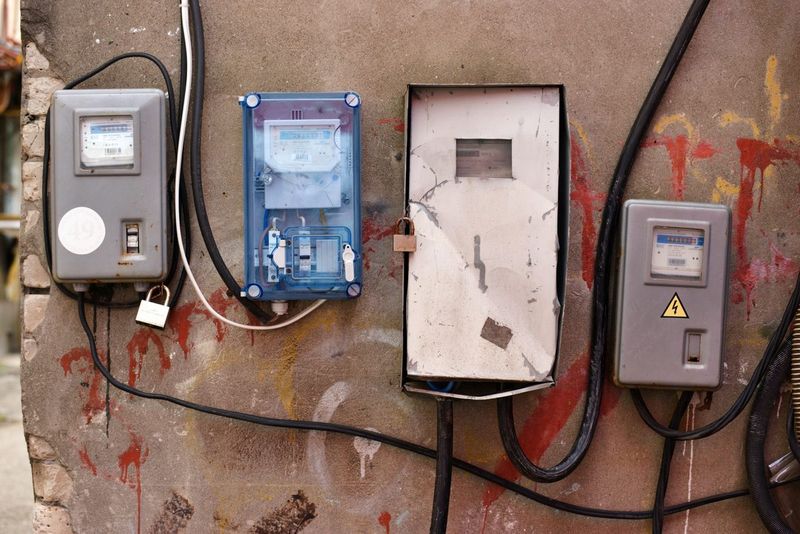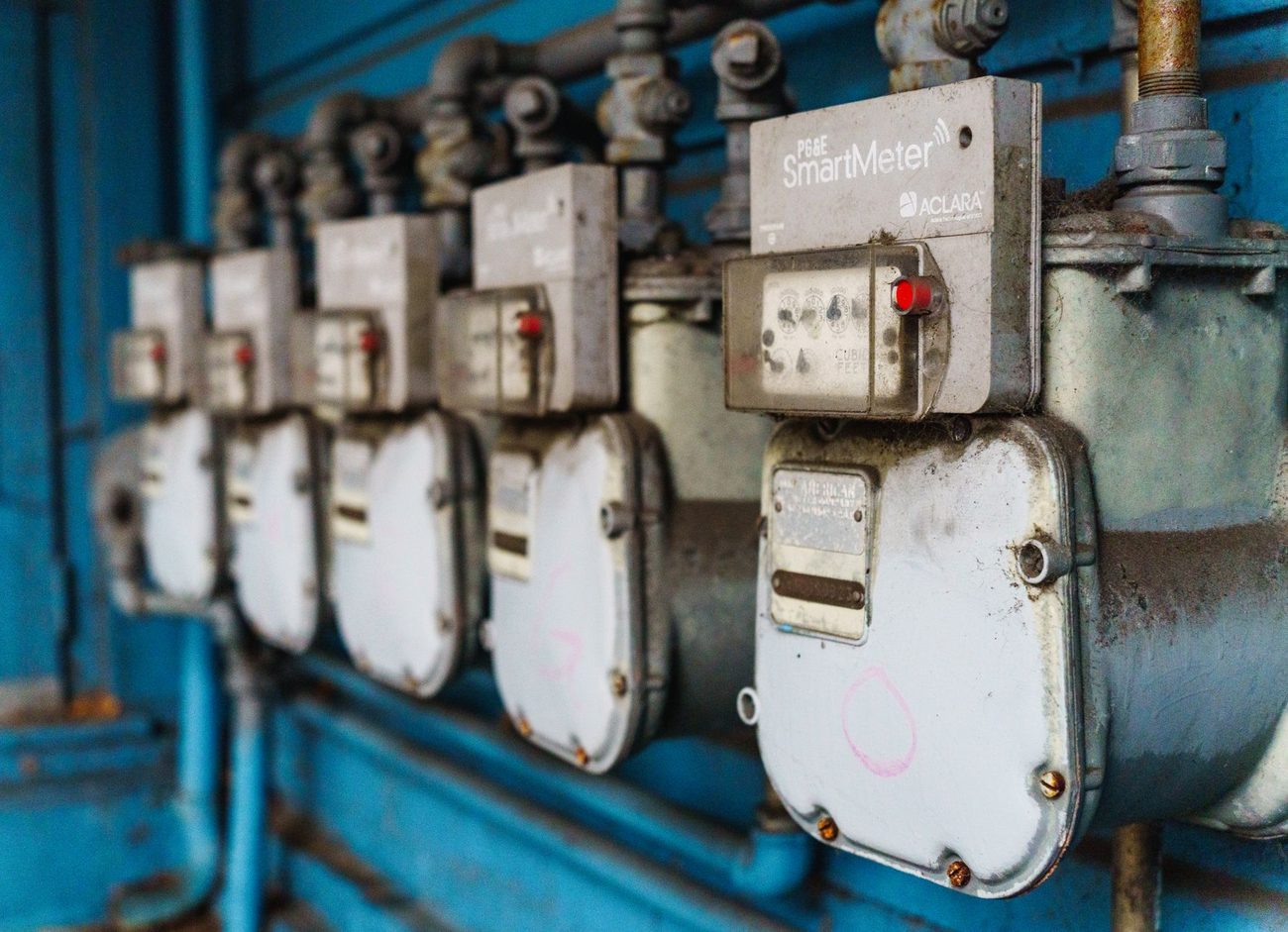
At ten past seven this morning I stood at the kitchen windowsill in my dressing gown and photographed the in-home display, as I do on the last day of every month. It was already 22 degrees in the kitchen. The display said 0.11 kW, which is the number I always look at first, and I wrote the readings down on the back of an envelope before the kettle had boiled.
June is done. Between the smart meter and the bills sheet inside the cupboard door I can tell you what the month cost, to the penny, and why it's less than half of what we pay.
The month on the display
Our supplier's rates in spring are roughly 27p a kilowatt hour for electricity with a 54p daily standing charge, and 7p for gas with 33p a day. Here is June on that basis.
- Electricity used: 214 kWh at 27p, £57.78
- Electricity standing charge: 30 days at 54p, £16.20
- Gas used: 310 kWh at 7p, £21.70
- Gas standing charge: 30 days at 33p, £9.90
- June total: £105.58
The heating has been off since the last cold week in April, so almost all of the 310 kWh of gas is showers, washing-up and the hob. The electricity is the usual suspects, plus two small fans that have run most of the week.
The standing charges are the bit that makes me stop. They come to £26.10 for the month, which is about a quarter of the whole bill, and it doesn't change whether we use a lot or nothing. I'm not complaining about that. It's how the rates are built. I only think it's worth knowing before I congratulate myself for turning a light off.
The display has a button that flicks between today, this week and this month. I use the month view on the last day and copy it into the margin of the bills sheet in pencil, next to the £163. Smart meter or not, the pencil is what makes me look. June's electricity is the lowest month on the sheet since I started writing them down in January.
What 0.11 kW means
At three o'clock in the morning, when nobody is up, the display still says about 0.11 kW. That is 110 watts, running all night: the fridge freezer, the small freezer in the cupboard under the stairs, the router, the lights on the cooker and the microwave, and whatever else is on standby. Over a day that's 2.6 kWh, and over June about 79 kWh. That's more than a third of the 214 kWh we used, just for the house being switched on.
It was a useful number to find. I'd assumed the washing machine and the kettle were the big ones. They're not, in summer. The line does the drying, the airer and the dehumidifier are packed away, and the thing that is left is a house humming quietly to itself.
Why the direct debit still says £163
Since April we've paid £163 a month by direct debit. June used about £106 of it. April and May came to roughly £157 and £125, so across the three months we've paid £489 and used about £388, which leaves us around £100 to the good. The account is in credit and the supplier is holding the money.
That credit is the bit that matters. In January we used about £230 of gas and electricity against a £151 direct debit, and the gap was covered by what had built up in the months before. A flat monthly payment is a way of spreading the winter over the summer. If I asked for it to be lowered in June I'd be pleased until about November and then owe the supplier by February.
I haven't changed it. I'm not saying that's the right answer for anyone else, and I know some people would rather have the money in their account. It depends on your own usage and your own bank balance, and it is worth reading your own statement rather than copying mine. For us, the direct debit is a savings account that doesn't pay interest.
The kitchen thermometer on the fridge said 29 degrees by tea time. Rob suggested we eat in the garden, and Alfie suggested ice for everything. Tomorrow the display starts July at zero, and I'll be at the windowsill again on the 31st. Rob says I'm the only person he knows with a favourite time of day for reading a meter. He's right. Mine is ten past seven.